The Headlands Production Chains Guide
Mill grain, saw boards, warehouse finished goods — and know when raw sales still win.
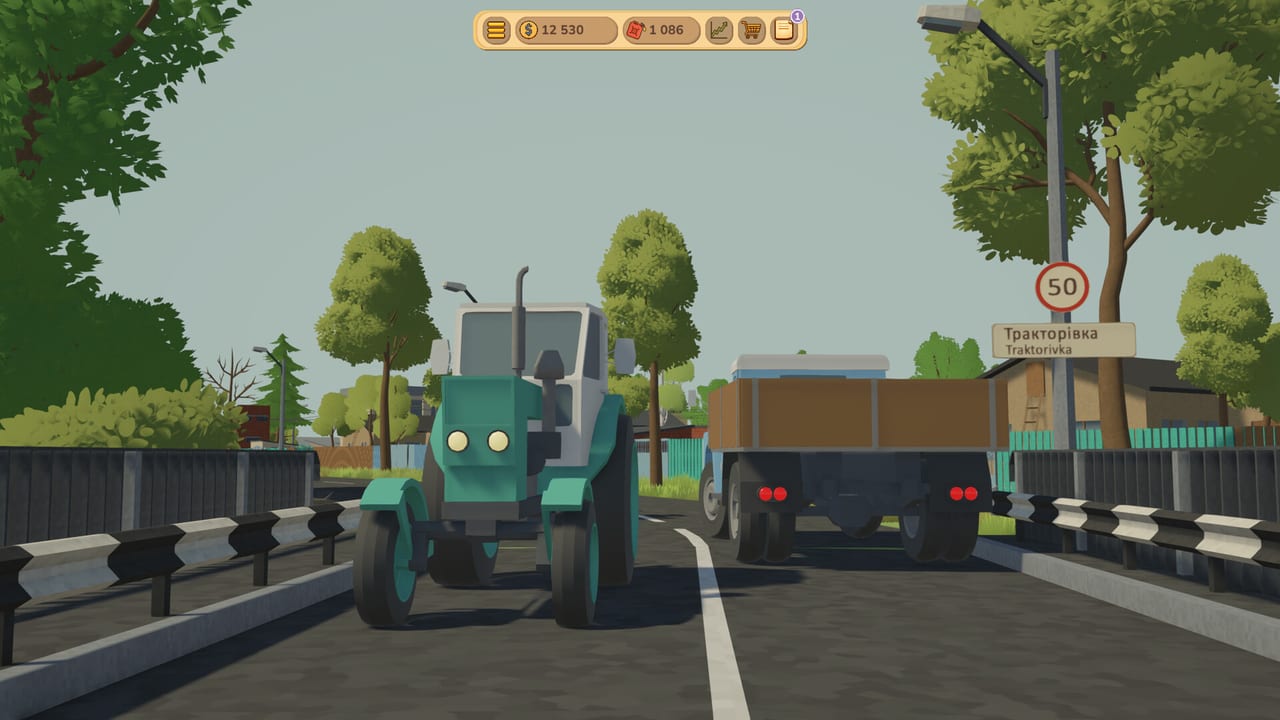
Production chains push The Headlands past “grow and dump.” In Early Access you can move from raw harvests into finished goods — notably a mill that turns grain into flour and a sawmill that turns timber into boards — then store outputs in a farm warehouse while trucks haul between production buildings. Processed goods are meant to sell for more than raw materials when the chain is fed and the logistics hold. This guide explains when that promise is real, and when a simple elevator sale is the smarter Early Access move.
Foundation reading: Farming Basics, Getting Started, Weather for rainy logistics hours, and Contracts so neighbour jobs do not starve your mill of grain. For sell timing and fuel cash buffers beside the mill, use the Market Guide. Production steps that arrived through demo work such as the Rainy Season update still shape how warehouse and truck loops feel in Early Access.
Why production exists
Raw markets in Traktorivka are alive — prices move, sometimes while the load is already on the truck. Processing adds a second lever:
- Capture value when raw quotes sag but finished goods hold.
- Smooth income across growth waits and rain harvest bans.
- Give trucks meaningful jobs beyond grain elevator runs.
- Tie the farm fantasy to village industry, not only soil.
Production is not automatic profit. Every extra stop burns fuel and time, the same scarce pair that defines the game.
The basic chain shapes
Grain → mill → flour → sell/store
- Harvest wheat or other mill-ready grain on a clear window.
- Haul to the mill instead of (or after buffering from) the raw trader.
- Process into flour.
- Move flour via truck to warehouse or buyer.
- Sell when the finished price justifies the extra legs.
Timber → sawmill → boards → sell/store
- Secure timber input per current Early Access routes.
- Process at the sawmill.
- Warehouse boards.
- Sell finished lumber when margins beat leaving capacity idle.
Exact building unlock timing can shift with patches; the decision framework stays: input reliability → processing capacity → haul → price check → sell.
When to sell raw instead
Sell raw when any of these are true:
- You need fuel money today and the chain would delay cash.
- Mill/sawmill is backed up or you lack truck time to clear outputs.
- Raw price is spiking hard enough that processing’s uplift is smaller than the delay risk.
- Weather is about to open a rare harvest window and your trucks should be free for grain, not babysitting boards.
- You are still learning routes — simplify until one chain runs without clutter.
Processing “because it feels advanced” is how Early Access farms stall with full warehouses and empty tanks.
When to process
Process when:
- Raw prices are soft but you can afford to wait for finished goods.
- You have a steady input surplus after personal food-for-fuel sales.
- Trucks can run a repeatable loop without crossing the whole map empty.
- Rain locks harvest, freeing cab hours for industrial hauling.
- You are funding a specific upgrade where processed margins close the gap faster than another raw cycle.
Use the crop planner to keep grain inflow predictable for the mill. Fleet notes for hauling power sit under tractors and wider tier list pages; specialised cutting still matters upstream via harvesters.
Warehouse and truck jobs
The warehouse is a shock absorber. Park flour and boards when selling now is foolish; release them when quotes recover. Trucks gain purpose ferrying goods from production buildings — treat each trip as a line item:
- Loaded kilometres cost diesel.
- Empty return kilometres also cost diesel.
- Time in transit is time not harvesting on clear days.
Design loops: field → mill → warehouse → buyer on shared roads. Avoid zig-zag vanity routing across Traktorivka.
Fuel accounting for industry
A honest margin check:
finished sale − raw alternative sale − extra fuel − value of lost clear-sky harvest time
If the remainder is thin, raw was fine. If it is wide, schedule processing as a default for that crop. Re-run the mental math after machine upgrades or when living prices shift regimes.
Mixing contracts with production
Contracts can deliver cash for fuel that keeps chains alive — or yank trucks away mid-loop. Policy ideas:
- No new long contracts while flour is clogging the warehouse.
- Accept neighbour jobs that end near the mill or sawmill.
- During rain, prefer contracts that do not fight your indoor production agenda.
Story still matters; just price it (Contracts Guide).
Homemade machines and mentors
The mechanic mentor’s homemade builds can change haul capacity or field tempo, which indirectly changes how much surplus you can feed into industry. Track that progression via Sydorovych and homemade. Production buildings do not replace the need for sound fieldwork — they multiply it.
Early Access outlook
Demo updates introduced early production steps (mill, sawmill, warehouse, truck hauling). EA continues from that foundation. Expect more ways to grow the farm, more machines, and eventually a world not limited to Traktorivka (roadmap, Early Access). Chains you learn now — input discipline, rainy-hour industry, sell-versus-process calls — remain relevant as new recipes appear.
Practical weekly rhythm
- Clear-weather mornings: harvest first.
- Midday: raw sale only for fuel buffer needs.
- Surplus grain: mill queue.
- Rain blocks: sawmill/mill hauling and warehouse sorting.
- Evening: price check finished goods; sell or hold.
- Night planning: Controls parking, fueled trucks staged on the industrial loop.
Related pages
Production chains reward the same virtues as the fields: patience, fuel honesty, and respect for living prices. Feed the mill on purpose, not on autopilot, and finished goods will outgrow raw dumps the way a cared-for Traktorivka farm outgrows a neglected plot.
Frequently Asked Questions
Quick answers for Early Access farmers in Traktorivka.
What production buildings exist in Early Access?
Core chains include a mill for grain-to-flour and a sawmill for timber-to-boards, plus warehouse storage and truck hauling between production points. More industrial depth may arrive during EA.
Is processing always more profitable than selling raw?
No. Extra fuel, time, and bottlenecks can erase the uplift. Process when surplus, logistics, and prices align; sell raw when you need fast cash or the chain is clogged.
What should trucks do during rain?
Rain blocks harvest, so rainy hours are ideal for moving inputs and finished goods through mill, sawmill, and warehouse loops.
Do I need a combine before using the mill?
You need reliable grain inflow, not necessarily a combine. Smaller harvest setups can feed the mill; upgrades help volume later.
Where do I track future production features?
Follow the roadmap and Early Access pages on this wiki, plus official Steam news and The Headlands social channels listed on Links.