The Headlands Living Market Guide
Prices move while the truck is loaded — sell with a plan, keep a fuel buffer, and know when contracts beat the board.
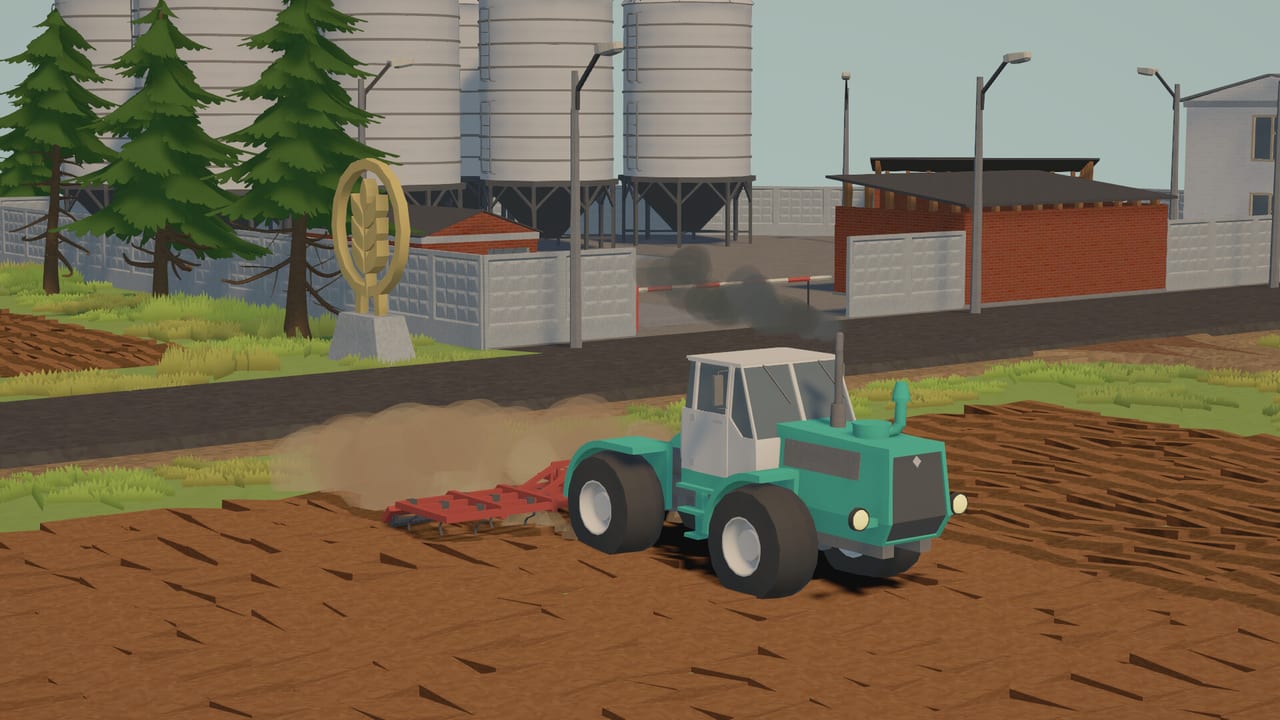
The living market is one of the sharpest systems in The Headlands. TessaraOxygen did not give Traktorivka a static shop tag for every harvest. Quotes drift as you play — sometimes after the grain is already in the bed — so selling is a decision, not a reflex. This guide covers how to read timing, when raw sales beat processing, how to protect a fuel cash buffer, and how neighbour contracts sit beside open-market income without starving your own fields.
Pair this page with Crops for what you plant, Farming Basics for the field loop, and Production Chains for mill flour, sawmill boards, warehouse buffers, and truck loops. Weather still gates when you can cut (Weather); a perfect price means nothing under a harvest ban.
What “living market” means in practice
- Prices are not frozen at dawn for the whole day.
- A long loaded drive is a bet that the quote survives the kilometres.
- Holding in a warehouse can be smarter than dumping at a trough — if you can afford to wait.
- Processed goods add a second price lane with extra fuel and time costs.
- Contracts pay on story and job terms; they are not the same as elevator spikes.
Early Access rewards glances at the board before you commit logistics, and calm decisions when the number moves mid-haul.
Sell timing checklist
Before you fill a truck:
- Read the current quote for the crop or finished good you will move.
- Estimate fuel both ways — loaded out, empty or reloaded home.
- Check weather — if rain is coming, harvest priority may beat a mild price chase.
- Check warehouse space — can you hold if the quote softens on arrival?
- Check production backlog — is the mill hungry, or is flour already clogging storage?
If any answer is ugly, shrink the load, sell a fuel-sized parcel locally, or wait. Heroes who always chase the peak often fund the petrol station more than the farm.
Mid-haul price drops
When the board moves against you while loaded:
- Sell anyway if you need the truck free for a clear-sky harvest window or a time-sensitive contract.
- Hold or divert to processing if storage and mill/sawmill capacity exist and the raw trough looks temporary.
- Do not idle in the road burning daylight — decide, then move.
Log the outcome. Patterns beat vibes: some crops punish late hauls harder than others (Crops).
Raw sale versus process
Raw sales are fast cash. Processing (grain → mill → flour; timber → sawmill → boards) aims for higher finished prices when the chain is fed and trucks can clear outputs. Honest margin thinking:
finished sale − raw alternative − extra fuel − value of lost clear harvest time
Sell raw when:
- The fuel cash buffer is thin.
- Production is backed up or understaffed by truck hours.
- Raw is spiking hard enough that delay risk exceeds uplift.
- You are still learning routes and need simple loops.
Process when:
- Raw is soft but you can wait on finished goods.
- Surplus after buffer sales can feed the mill steadily.
- Rain locks harvest, freeing cab time for industrial hauling.
- Warehouse space exists to absorb finished stock until quotes recover.
Deep routing: Production Chains. Demo-era production steps and later EA balance notes also sit under Updates when you want the feature timeline.
The fuel cash buffer (non-negotiable)
Treat diesel money as a separate wallet inside your head:
- Keep enough liquid cash for fuel + one ugly surprise (repair pressure, a bad quote forcing a smaller sale, a contract that still needs a topped-up tank).
- Refill the buffer from small, reliable raw sales before you park everything for a processing fantasy.
- Never strand a harvester because the last coin went into a vanity truck load chasing a maybe-spike.
Machine condition interacts here: worse wear costs more at Sydorovych’s service flow, and broken machines cannot work fields (Repair, Sydorovych). A market win that skips maintenance is a delayed loss.
Contracts versus market income
| Lane | Strength | Risk |
|---|---|---|
| Open market | Flexible timing, scales with harvest | Living prices, haul fuel |
| Processing | Margin when logistics hold | Time, bottlenecks, extra diesel |
| Neighbour contracts | Cash + story, can fund fuel | Steals tractor hours from ripe fields |
Policy that works in Early Access:
- Accept contracts that sit on your geographic loop or pay toward a machine you already planned (Contracts).
- Decline heroic cross-map chores when clear harvest windows are open and prices are fair.
- During rain, favour jobs that do not require cutting, and use downtime for mill/warehouse runs.
- Never let contract pride empty the fuel buffer — story progress still needs a working farm tomorrow.
Village context for job flavour: Traktorivka, Players Hub.
Storage as a market tool
The warehouse is not only industrial flavour. It is a shock absorber for living prices. Park flour, boards, or surplus grain when selling now is foolish; release when quotes recover — but watch soft caps of space and the opportunity cost of idle capital. If storage is full and prices are bad, you made a planting or processing mistake upstream; fix the inflow with Crops and field count discipline from Getting Started.
Fleet and haul economics
Trucks exist to move value. Empty kilometres are a tax. Design shared roads: field → trader or mill → warehouse → buyer. Ferrying tractors and staging machines on roads (skills reinforced through demo updates into EA) only helps if the market plan does not send every vehicle on vanity zig-zags. Rank hauling and field power via the Tier List Hub, tractors, and harvesters.
Session template for traders who still farm
- Weather + price board first.
- Confirm fuel buffer cash and tank levels.
- Harvest clear-ready fields before any long market chase.
- Sell the minimum raw parcel that restores the buffer.
- Feed surplus into production or hold in warehouse on purpose.
- Fit one contract only if hours and diesel remain.
- End with trucks staged on the industrial or elevator loop, not abandoned mid-map.
Early Access outlook
Living prices, production buildings, and contract mix will keep shifting through the planned ~12-month Early Access as balance and content grow (Early Access, roadmap). The habits stay: glance before you haul, protect diesel money, compare raw versus process with fuel honesty, and price neighbour work like any other job.
Related pages
Master the living market and Traktorivka stops feeling unfair. The board will still move — you will simply move with a plan.
Frequently Asked Questions
Quick answers for Early Access farmers in Traktorivka.
Do market prices stay fixed all day?
No. Prices are living and can shift while you play — even while a load is already on the truck. Check before long hauls.
Should I always process instead of selling raw?
No. Process when surplus, logistics, and finished prices align. Sell raw when you need fast fuel money or the chain is clogged.
What is a fuel cash buffer?
Liquid cash reserved for diesel and one ugly surprise. Refill it with reliable raw sales before parking everything for processing.
Are contracts better than market sales?
They are different. Contracts add cash and story but compete for tractor hours. Use them when the route and pay fit; do not abandon ripe fields for every offer.
What if the price drops mid-haul?
Decide quickly: sell to free the truck, store if you can, or divert into production. Do not idle in the road.